Mastering PIV Card Enrollment: A Comprehensive Guide for Secure Access
Learn the step-by-step process of PIV card enrollment and how it enhances security in your organization. Discover best practices and tips.
March 19, 2026 · Winrove Team
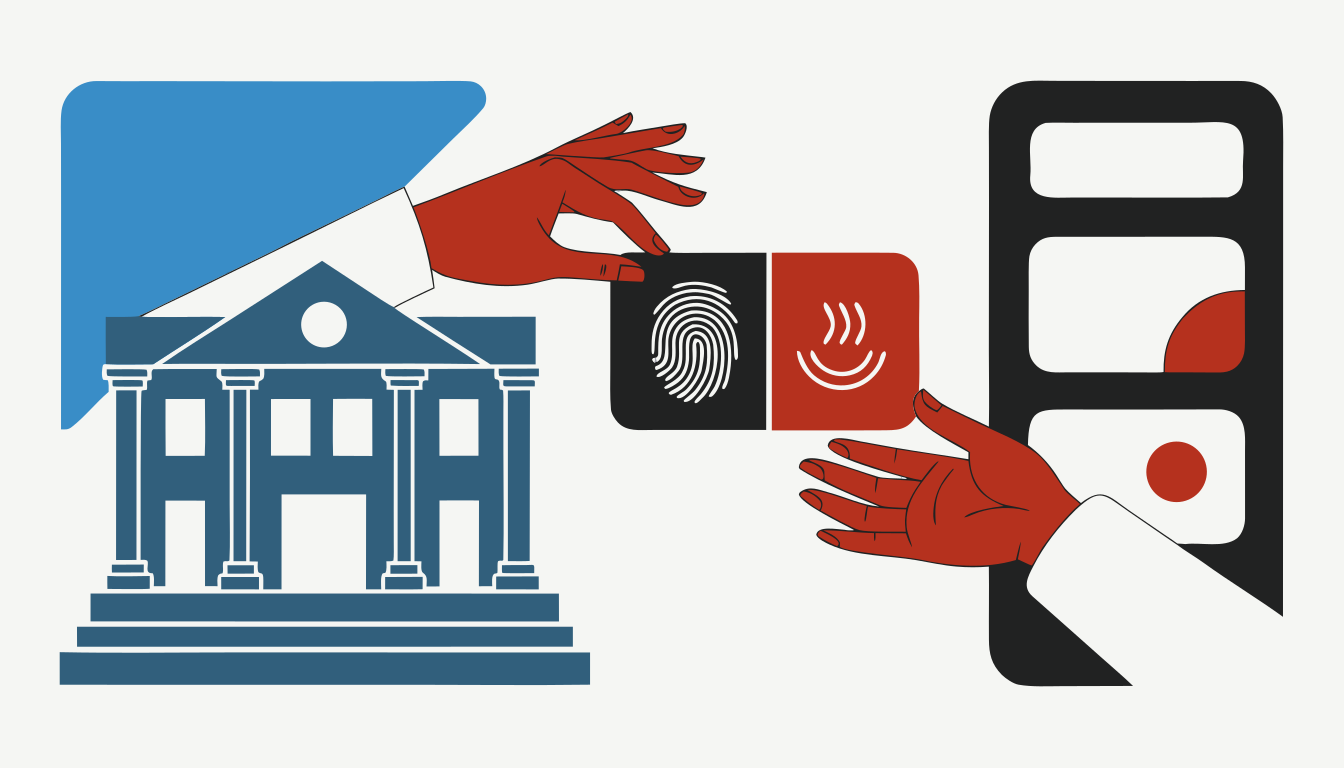
Introduction to PIV Card Enrollment
PIV card enrollment is a critical process for organizations that require secure access to physical and digital resources. Personal Identity Verification (PIV) cards are used to authenticate individuals and ensure that only authorized personnel can access sensitive areas and information. This guide will walk you through the entire PIV card enrollment process, from the initial application to the final issuance of the card.
PIV card enrollment involves several steps, including identity proofing, background checks, and card issuance. Each step is crucial for maintaining the integrity and security of your organization. By the end of this guide, you will have a clear understanding of how to streamline the PIV card enrollment process and ensure compliance with federal standards.
Key Takeaways
- PIV card enrollment is essential for secure access and compliance.
- The process involves identity proofing, background checks, and card issuance.
- Best practices can significantly enhance the efficiency and security of the enrollment process.
- Regular audits and updates are necessary to maintain compliance.
- Winrove can help streamline the onboarding and PIV card enrollment process.
What is a PIV Card?
A Personal Identity Verification (PIV) card is a secure, tamper-resistant card issued to federal employees and contractors to access government facilities and information systems. PIV cards are standardized under Federal Information Processing Standard (FIPS) 201 and are designed to provide a high level of security and identity assurance.
PIV cards typically contain:
- A photograph of the cardholder
- A unique card number
- Biometric data (such as fingerprints)
- Smart chip technology for secure data storage
The primary purpose of a PIV card is to verify the identity of the cardholder and ensure that they have the necessary clearance to access specific resources. This is particularly important in government and defense organizations where security is paramount.
Why is PIV Card Enrollment Important?
PIV card enrollment is crucial for several reasons:
- Security: PIV cards provide a high level of security by verifying the identity of individuals and ensuring that only authorized personnel can access sensitive areas and information.
- Compliance: Federal agencies and contractors are required to comply with FIPS 201, which mandates the use of PIV cards for secure access. Failure to comply can result in penalties and loss of contracts.
- Efficiency: PIV cards streamline the access control process, reducing the need for manual verification and improving overall efficiency.
- Trust: PIV cards enhance trust within the organization by ensuring that all individuals have been thoroughly vetted and are who they claim to be.
By implementing an established PIV card enrollment process, organizations can significantly enhance their security posture and ensure compliance with federal standards.
How to Implement PIV Card Enrollment
Implementing a PIV card enrollment process involves several key steps. Here’s a step-by-step guide to help you get started:
Step 1: Identity Proofing
Identity proofing is the first and most critical step in the PIV card enrollment process. This step involves verifying the identity of the individual applying for the PIV card. Common methods of identity proofing include:
- Reviewing government-issued identification (e.g., driver’s license, passport)
- Verifying Social Security numbers
- Conducting in-person interviews
It’s essential to ensure that the identity proofing process is thorough and follows federal guidelines to prevent identity fraud.
Step 2: Background Checks
Once the identity of the individual has been verified, the next step is to conduct a background check. Background checks are designed to ensure that the individual has no criminal history or other issues that would disqualify them from receiving a PIV card. Common elements of a background check include:
- Criminal history checks
- Credit history checks
- Employment verification
- Education verification
Background checks can be time-consuming, but they are essential for maintaining the security and integrity of the PIV card enrollment process.
Step 3: Card Issuance
After the identity proofing and background checks are complete, the next step is to issue the PIV card. This involves:
- Collecting biometric data (e.g., fingerprints, facial recognition)
- Encoding the card with the necessary data (e.g., unique card number, biometric data)
- Personalizing the card with the cardholder’s photograph and other identifying information
The card issuance process should be conducted in a secure environment to prevent tampering or unauthorized access.
Step 4: Training and Education
Once the PIV card has been issued, it’s important to provide training and education to the cardholder. This includes:
- Explaining the proper use of the PIV card
- Reviewing security protocols and procedures
- Providing information on how to report lost or stolen cards
Training and education are essential for ensuring that cardholders understand their responsibilities and can use their PIV cards effectively and securely.
Best Practices for PIV Card Enrollment
To ensure a smooth and secure PIV card enrollment process, consider the following best practices:
- Standardize the process: Develop a standardized process for PIV card enrollment that is consistent and easy to follow. This will help reduce errors and ensure that all individuals are treated equally.
- Use technology: Leverage technology to streamline the enrollment process. For example, Winrove can help automate many of the steps involved in PIV card enrollment, from identity proofing to card issuance.
- Conduct regular audits: Regularly audit the PIV card enrollment process to ensure compliance with federal standards and identify areas for improvement.
- Train staff: Ensure that all staff involved in the PIV card enrollment process are properly trained and understand their roles and responsibilities.
- Monitor access: Regularly monitor access logs to ensure that PIV cards are being used appropriately and that there are no unauthorized access attempts.
By following these best practices, you can ensure that your PIV card enrollment process is efficient, secure, and compliant with federal standards.
Common Challenges in PIV Card Enrollment
While PIV card enrollment is a critical process, it can also present several challenges. Some common challenges include:
- Identity fraud: Ensuring that the identity of the individual is verified can be challenging, especially if the individual is attempting to commit identity fraud.
- Background check delays: Background checks can be time-consuming and may result in delays in the PIV card enrollment process.
- Technical issues: Issues with the technology used for card issuance, such as encoding errors or software malfunctions, can cause delays and other problems.
- Compliance issues: Ensuring that the PIV card enrollment process complies with federal standards can be challenging, especially for organizations that are new to the process.
To overcome these challenges, it’s important to have a well-defined process in place and to use technology to streamline the enrollment process. Winrove can help you overcome these challenges by providing a comprehensive solution for PIV card enrollment and onboarding.
Conclusion
PIV card enrollment is a critical process for organizations that require secure access to physical and digital resources. By following the steps outlined in this guide and implementing best practices, you can ensure that your PIV card enrollment process is efficient, secure, and compliant with federal standards. If you’re looking for a solution to streamline your PIV card enrollment process, consider Winrove. Our platform can help you automate many of the steps involved in PIV card enrollment, from identity proofing to card issuance, and ensure that your organization remains secure and compliant.
Preserved Field Notes article. Original path /blog/mastering-piv-card-enrollment/. No unrelated help guide has been substituted.
Related Field notes
Reading a DPAS Priority Rating on a Federal Order: What Contractors Must Know ↗
Wide Area Workflow (WAWF) Invoicing Basics for New Federal Contractors ↗
Provisional Billing Rates and Indirect Rate Structures, Explained Simply ↗
Cost Realism: Surviving the Government Price Analysis ↗
The compliance matrix step most small contractors skip (and how it loses bids) ↗
NAICS Code Selection and Recertification: Avoiding the Small-Business Size-Standard Trap ↗